
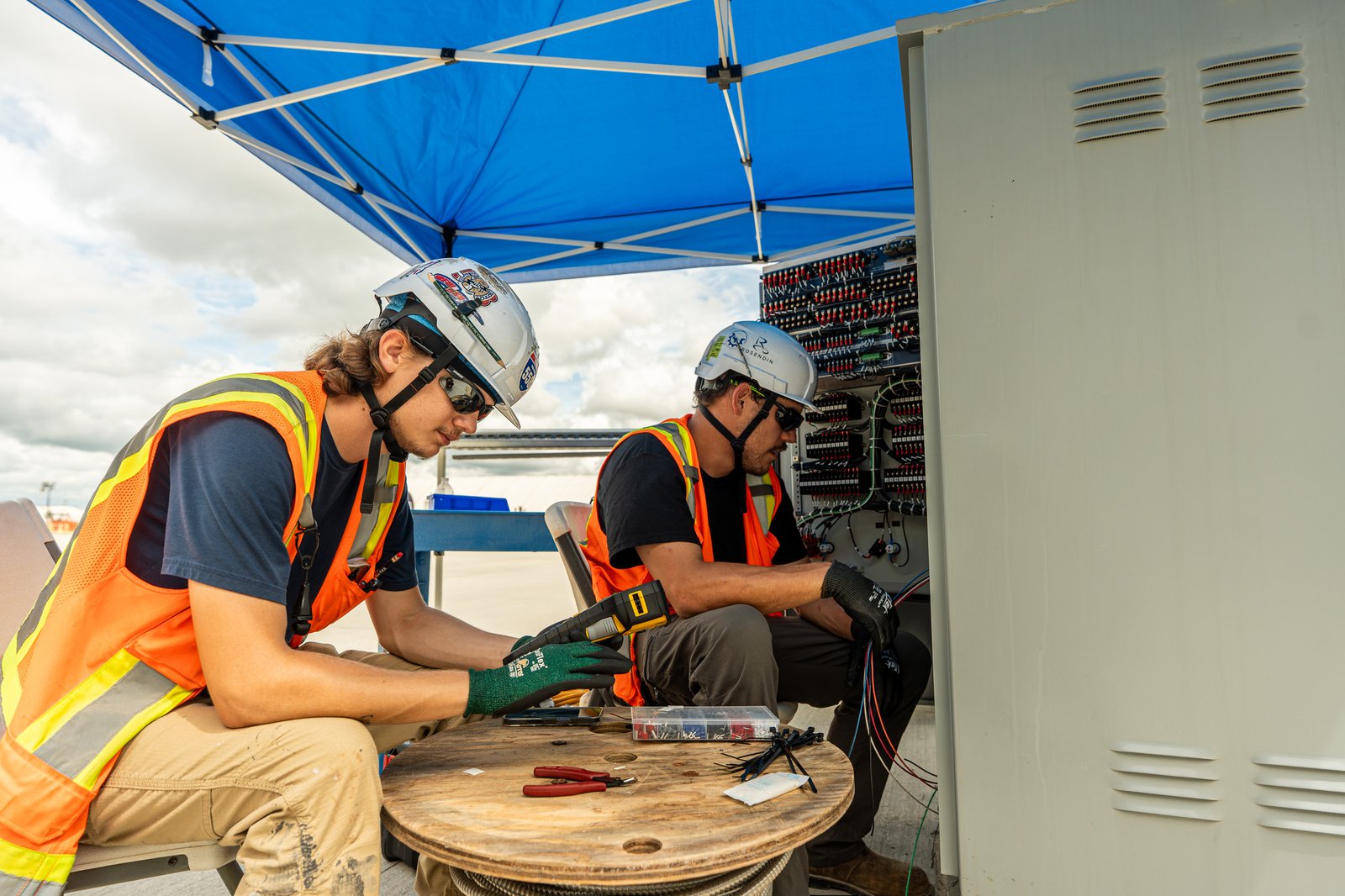
The importance of electrical safety in commercial properties
Electrical safety is a critical concern in commercial properties, where the electrical systems are more complex and serve more demanding loads than residential systems. Commercial buildings must comply with the National Electrical Code (NEC), a comprehensive set of standards designed to protect people and property from electrical hazards. Compliance with these standards is not optional — it is a legal requirement enforced by local building departments and fire marshals.
The consequences of electrical code violations extend beyond safety risks. Properties with code violations may face fines, increased insurance premiums, and difficulty selling or leasing the building. In the event of an electrical fire or injury, code violations can create significant legal liability for property owners and managers. Maintaining code compliance protects both the occupants and the financial interests of the property owner.
Regular electrical inspections by a qualified commercial electrician help identify potential safety issues and code violations before they become serious problems. An experienced electrician can evaluate the condition of the electrical system, identify areas that do not meet current code requirements, and recommend corrective actions. Proactive maintenance and upgrades reduce the risk of equipment failures, electrical fires, and safety incidents. Learn about our commercial electrical services.
Key code requirements for commercial properties
Commercial electrical code requirements cover a wide range of systems and components, from the service entrance equipment to the final outlets and lighting fixtures. The service entrance must be properly sized for the building load, with adequate clearances and working space around the electrical panel. Emergency disconnects must be clearly labeled and accessible to first responders.
Grounding and bonding requirements are more stringent in commercial properties than in residential buildings. Proper grounding protects against electrical shocks, prevents equipment damage, and ensures that overcurrent protection devices function correctly. The grounding system must be inspected and tested to verify that it meets code requirements and provides adequate protection for the building occupants. OSHA provides guidelines on electrical safety in commercial workplaces.
Arc fault circuit interrupters and ground fault circuit interrupters are required in specific locations throughout commercial buildings. AFCIs protect against electrical fires caused by arcing faults, while GFCIs protect against shock hazards in wet or damp locations. These devices must be installed in accordance with code requirements and tested regularly to ensure proper operation.
Emergency systems and lighting
Commercial properties are required to have emergency lighting systems that provide illumination for safe egress during a power outage. Emergency lights must be strategically located throughout the building, including in corridors, stairwells, and exit paths. These lights are powered by batteries or a backup generator and must automatically activate when the normal power supply is interrupted.
Exit signs are another critical component of commercial electrical systems. Exit signs must be clearly visible, properly illuminated, and located to clearly indicate the path of egress from any point in the building. Regular testing and maintenance of exit signs and emergency lighting is required to ensure they function properly when needed. Failed or dim exit signs are a common code violation found during inspections.
Fire alarm systems in commercial properties must comply with NFPA 72, the National Fire Alarm Code, which specifies the design, installation, testing, and maintenance requirements for fire alarm systems. These systems must be inspected and tested regularly by qualified professionals, and records of testing must be maintained for review by the fire marshal and insurance companies.
Preventive maintenance programs
A comprehensive preventive maintenance program for commercial electrical systems reduces the risk of unexpected failures and extends the life of electrical equipment. The program should include regular inspections of switchgear, panelboards, transformers, and other electrical distribution equipment. Infrared thermography can identify hot spots caused by loose connections or overloaded circuits before they cause failures.
Testing of protective devices, including circuit breakers, fuses, and ground fault protection systems, should be performed according to manufacturer recommendations and industry standards. These devices are critical for protecting people and property from electrical hazards, and they must function correctly when needed. Testing verifies that protective devices will operate within their specified parameters.
Maintenance records are an essential component of an electrical preventive maintenance program. Detailed records of inspections, testing, and repairs provide a history of the electrical system condition and demonstrate compliance with code requirements and insurance standards. These records are also valuable when planning upgrades, troubleshooting problems, and evaluating the overall health of the electrical system.
Working with a commercial electrical contractor
Choosing the right commercial electrical contractor is essential for maintaining safety and code compliance. Look for a contractor with specific experience in commercial electrical work, proper licensing and insurance, and a thorough understanding of the National Electrical Code and local code requirements. A qualified contractor will stay current with code changes and emerging technologies that affect commercial electrical systems.
A good commercial electrical contractor will provide detailed proposals that clearly describe the scope of work, materials to be used, and the timeline for completion. They will obtain necessary permits, schedule inspections, and provide documentation of code compliance. Clear communication throughout the project helps ensure that the work meets your expectations and satisfies all applicable requirements.
Building a long-term relationship with a trusted commercial electrical contractor provides ongoing benefits for property management. The contractor becomes familiar with your property, its electrical systems, and its maintenance history, allowing them to provide more efficient service and more accurate recommendations. A contractor who knows your property can often identify potential issues before they become problems, saving time and money in the long run. Contact Apex for your commercial electrical needs.