
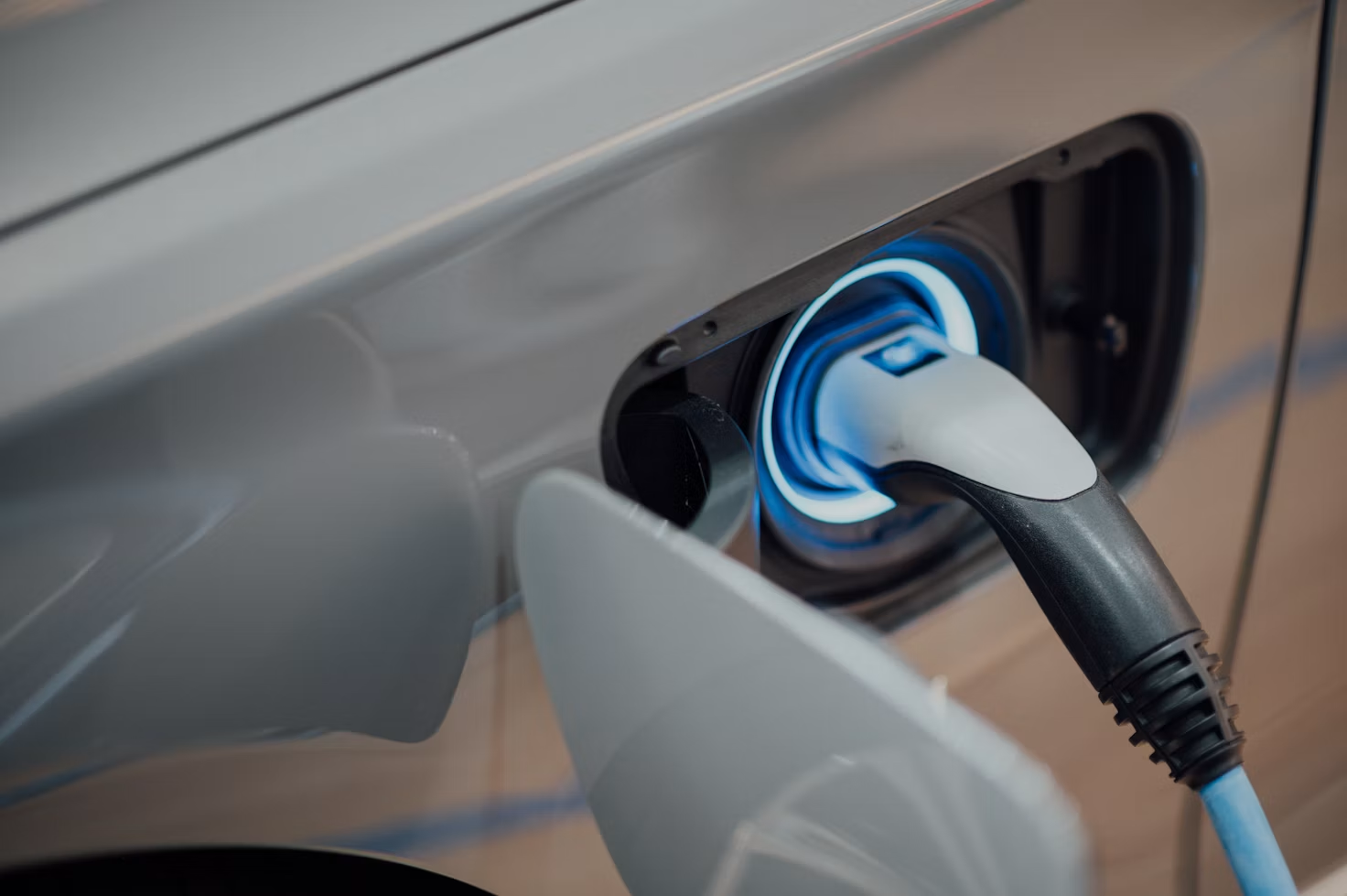
Understanding EV charging levels
Electric vehicle charging is categorized into three levels, each with different charging speeds and electrical requirements. Level 1 charging uses a standard 120-volt household outlet and provides about three to five miles of range per hour of charging. While convenient because no special equipment is needed, Level 1 charging is slow and may not be sufficient for households with higher daily driving needs.
Level 2 charging is the standard for home EV charging installations. It uses a 240-volt circuit similar to what an electric dryer or oven uses and provides about twenty to thirty miles of range per hour of charging. A Level 2 charger can fully charge most electric vehicles overnight, making it the practical choice for homeowners who want convenient, reliable charging at home.
Level 3 DC fast charging is not typically installed in residential settings due to its high cost and substantial electrical requirements. These chargers are found at public charging stations and can provide significant range in a short time, but they are not practical or necessary for home use. Understanding the differences between charging levels helps homeowners make informed decisions about what type of charging infrastructure they need. The Department of Energy provides detailed EV charging guidance.
Electrical system requirements
Installing a Level 2 EV charger requires a dedicated 240-volt circuit sized to handle the charger load. Most Level 2 chargers require a 40-amp to 60-amp circuit, depending on the charger capacity and the vehicle charging speed. The electrical panel must have sufficient capacity to accommodate the new circuit, which may require a panel upgrade in older homes with limited available capacity.
A thorough electrical evaluation by a licensed electrician is the first step in the EV charger installation process. The electrician will assess the current electrical panel capacity, the condition of the existing wiring, and the feasibility of running a new circuit to the desired charger location. This evaluation may reveal the need for a panel upgrade, load management device, or other electrical improvements before the charger can be installed.
Load management is an important consideration for homes with limited electrical capacity. Load management devices monitor the total electrical demand of the home and automatically adjust the charger output to prevent overloading the panel. This technology allows EV charger installation in homes where a full panel upgrade is not feasible, providing a cost-effective alternative that still delivers reliable charging performance. For more on panel capacity, read when to upgrade your electrical panel.
Choosing a charger
EV chargers come in two main configurations: plug-in and hardwired. Plug-in chargers connect to a dedicated 240-volt outlet, similar to how an appliance plugs into a wall receptacle. This configuration offers flexibility, allowing the charger to be disconnected and moved if needed. Hardwired chargers are permanently connected to the electrical circuit, providing a cleaner installation that may be required by some local codes or utility rebate programs.
Charger power output is measured in kilowatts, with most residential Level 2 chargers offering outputs ranging from 3.3 kW to 19.2 kW. Higher power chargers provide faster charging, but the actual charging speed is limited by the vehicle onboard charger capacity. Selecting a charger that matches both the vehicle capabilities and the available electrical capacity ensures optimal performance without overspending on unnecessary capacity.
Smart chargers with Wi-Fi connectivity offer features like scheduled charging, energy usage monitoring, and integration with home energy management systems. These features allow homeowners to take advantage of time-of-use utility rates by scheduling charging during off-peak hours when electricity is less expensive. Some smart chargers can also integrate with solar panel systems, allowing charging with renewable energy when available. See Energy Star for qualified smart charger models.
Installation process and costs
The installation process begins with a site visit by a licensed electrician to evaluate the electrical system and determine the best location for the charger. The ideal location balances proximity to where the vehicle will be parked with accessibility to the electrical panel. The electrician will plan the circuit route, considering factors like conduit requirements, distance from the panel, and any obstacles that must be navigated.
The physical installation involves running a new circuit from the electrical panel to the charger location, installing the outlet or hardwiring the charger, and configuring the charger settings. The electrician will test the installation to verify proper operation and ensure that all safety features are functioning correctly. A typical installation takes one to two days, depending on the complexity of the circuit run and any additional work required.
Installation costs vary based on the distance from the electrical panel, the complexity of the circuit run, and whether any electrical upgrades are needed. In many cases, the cost of installation is offset by federal tax credits and utility rebates that are available for EV charger installations. A qualified electrician can provide a detailed quote and help identify available incentives that reduce the net cost of the installation.
Permits and inspections
Most municipalities require a permit for EV charger installation, and the work must be inspected by the local building department after completion. The permit ensures that the installation meets electrical code requirements and is performed by a licensed professional. The electrician typically handles the permit application and inspection scheduling on behalf of the homeowner, simplifying the process.
The inspection verifies that the circuit is properly sized, the wiring is correctly installed, the connections are secure, and all safety features are in place. The inspector will also verify that the installation complies with the National Electrical Code requirements for EV charging equipment. Passing inspection provides assurance that the installation is safe and code-compliant.
Documentation from the installation, including the permit records and inspection certificate, can be valuable when selling the home. A professionally installed, permitted EV charger is a desirable feature that adds value to the property and provides potential buyers with confidence that the installation meets safety standards. Keeping these records organized and accessible is a smart practice for any home improvement project. Contact Apex for professional EV charger installation.