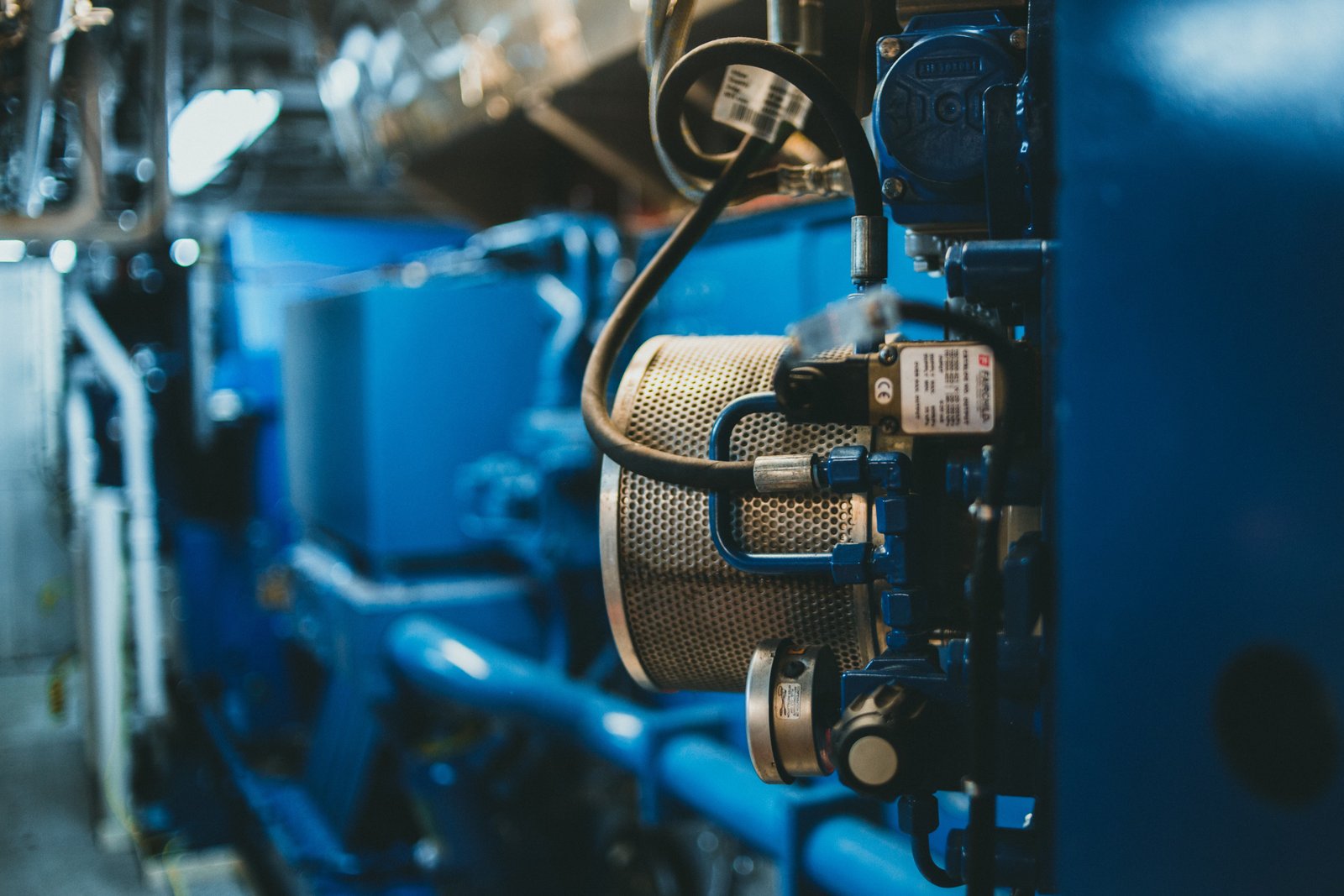
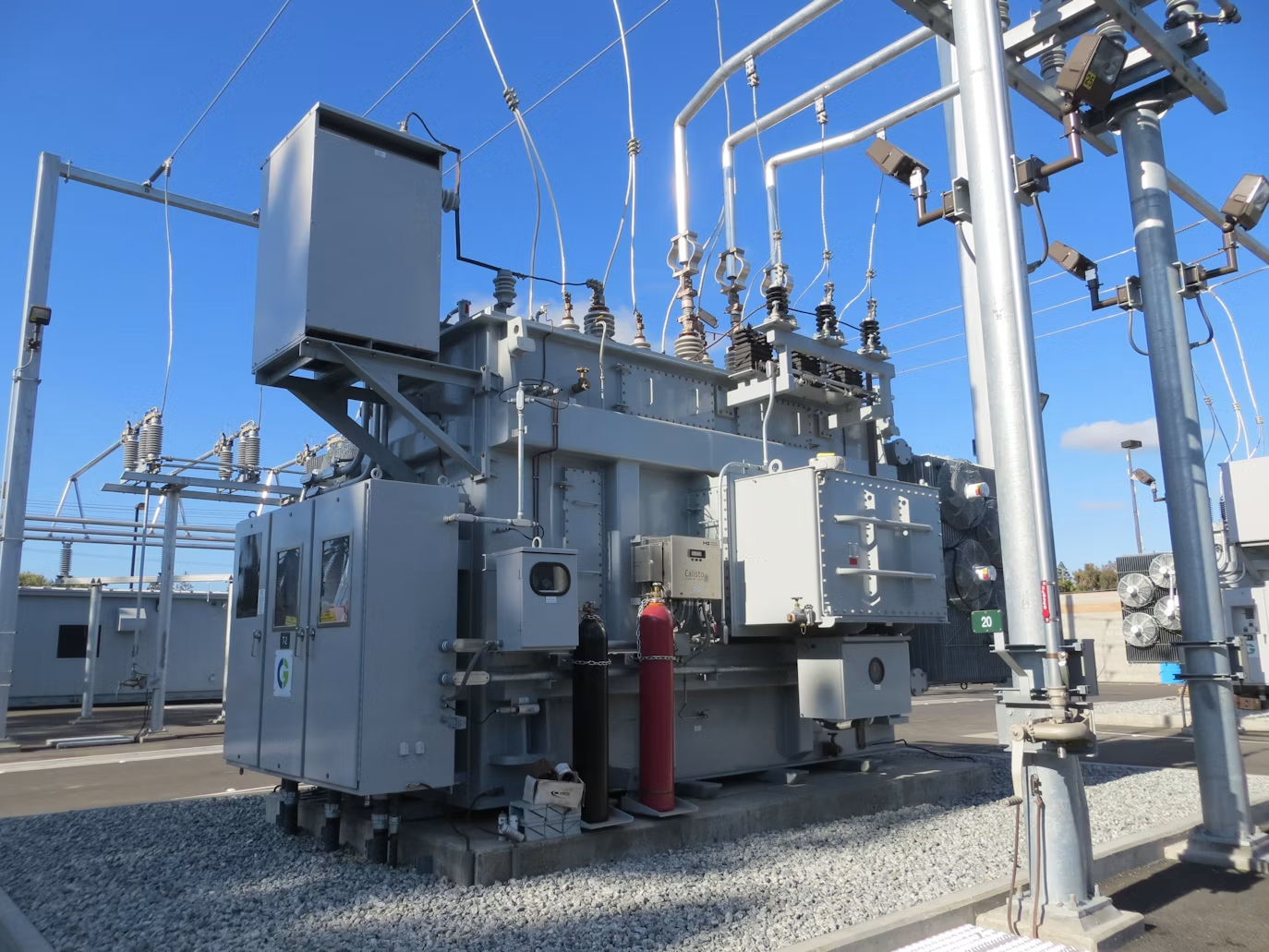
Why backup power matters
Power outages are becoming more frequent and longer-lasting due to aging infrastructure, extreme weather events, and increasing demand on the electrical grid. For homeowners, an outage means losing lighting, heating and cooling, refrigeration, well pumps, and the convenience of modern life. For businesses, even a short outage can result in lost revenue, spoiled inventory, data loss, and dissatisfied customers.
A standby generator provides automatic backup power that turns on within seconds of a utility power failure. Unlike portable generators that require manual setup, fueling, and connection, standby generators are permanently installed and fully automatic. They run on propane or natural gas, eliminating the need to store and handle gasoline, and they connect directly to the electrical panel through an automatic transfer switch.
The peace of mind that comes with having reliable backup power is difficult to quantify but extremely valuable. Knowing that your home will remain comfortable and functional during an outage, or that your business can continue operating without interruption, allows you to weather power outages with confidence. For properties that require continuous power for medical equipment, security systems, or critical business operations, a generator is not a luxury — it is a necessity. Learn about electrical panel capacity needed for generator installation.
Types of generators
Standby generators are permanently installed units that connect to your home or business electrical system through an automatic transfer switch. They range in size from about seven kilowatts for basic household coverage to over one hundred kilowatts for large commercial installations. These generators run on natural gas or propane, which means they can operate continuously as long as fuel is available, without the need for refueling.
Portable generators are less expensive and can provide temporary power during outages, but they have significant limitations. They must be manually started, connected to appliances via extension cords, and refueled regularly. Portable generators also pose safety risks, including carbon monoxide poisoning if operated indoors or too close to the building, and electrical hazards if not properly grounded. They are best suited for occasional, short-duration use.
Inverter generators are a newer type of portable generator that produces cleaner power suitable for sensitive electronics. They are typically more fuel-efficient and quieter than conventional portable generators. However, they share the same limitations regarding manual operation, fueling, and safety concerns. For whole-house or whole-business backup power, a standby generator with automatic transfer switch is the recommended solution.
Generator sizing and fuel selection
Proper generator sizing is critical for reliable performance and cost-effective operation. An undersized generator will be unable to power all the loads you need during an outage, while an oversized generator costs more to purchase and operate than necessary. A licensed electrician can perform a load calculation to determine the minimum generator size required for your specific needs, considering both the running load and the starting surge of motors and compressors.
Natural gas is the most convenient fuel for standby generators because it is supplied continuously through utility pipelines, eliminating the need for fuel storage and refueling. However, natural gas generators may be affected by gas pressure drops during widespread outages when many customers are using gas simultaneously. Propane generators store fuel on-site in tanks, providing independence from utility gas supply but requiring periodic refueling for extended outages.
Generator placement is another important consideration. Standby generators must be installed outdoors on a level concrete pad, with clearance for airflow, exhaust, and maintenance access. Local building codes may require specific clearances from windows, doors, and property lines. The installation location should also be protected from flooding, snow accumulation, and falling debris to ensure reliable operation during severe weather. NFPA 110 provides standards for emergency and standby power systems.
Automatic transfer switches
The automatic transfer switch is the brain of the standby generator system. It constantly monitors utility power and, when an outage is detected, signals the generator to start and then transfers the electrical load from the utility to the generator. This entire process happens automatically within seconds, without any action required from the property owner. When utility power is restored, the transfer switch transfers the load back to the utility and signals the generator to shut down.
Transfer switches can be sized to handle the entire electrical load of the property or only selected circuits. A whole-house transfer switch provides backup power for all circuits in the home, while a critical-load transfer switch powers only essential circuits like lighting, refrigeration, heating, and well pumps. The choice between these options depends on the generator size, budget, and the specific needs of the property.
Installation of the transfer switch must be performed by a licensed electrician and typically requires a permit and inspection. The transfer switch is installed between the utility meter and the main electrical panel, and it must be properly sized and configured to handle the maximum current that may pass through it. A professionally installed transfer switch ensures safe, reliable operation and compliance with electrical codes.
Maintenance and operation
Standby generators require regular maintenance to ensure reliable operation when needed. Most manufacturers recommend annual service that includes changing the oil and filter, inspecting the spark plugs, checking the coolant and battery, and testing the system under load. Many generator owners choose a maintenance plan with a qualified service provider to ensure that these tasks are performed consistently.
Battery maintenance is particularly important because the generator depends on battery power to start when an outage occurs. The battery should be tested regularly, and the battery charger should be checked to ensure it is maintaining the proper charge level. In cold climates, a battery heater may be needed to ensure reliable starting in freezing temperatures.
Regular exercise of the generator is also important. Most standby generators have an automatic exercise cycle that runs the generator weekly without transferring the load, keeping the engine lubricated and the battery charged. This exercise cycle also helps identify potential problems before an actual outage occurs, giving you time to arrange for repairs rather than discovering the issue when you need the generator most. Contact Apex for professional generator installation and service.