How your plumbing system works
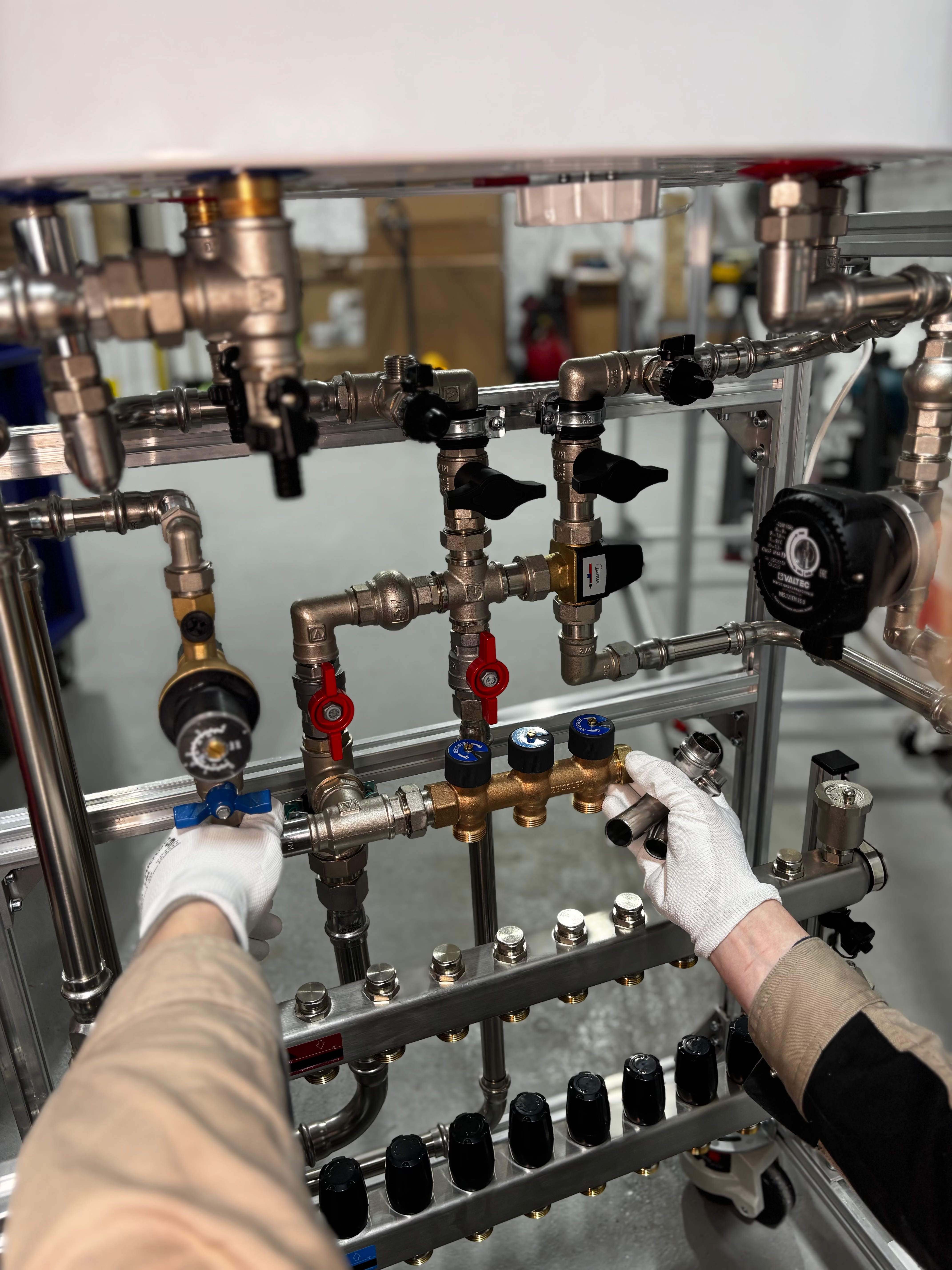
Your home plumbing system consists of two distinct subsystems: the supply system that brings fresh water in and the drainage system that carries wastewater out. Understanding the difference between these two systems is essential for diagnosing problems and communicating effectively with a plumber. The supply system is under pressure, which is why water flows out of your faucets with force. The drainage system relies on gravity and proper pipe slope to carry waste away from your home.
The supply system begins at the main water line that enters your home from the municipal water supply or a private well. From there, water is distributed through a network of pipes to fixtures throughout the house. The main shutoff valve, typically located where the water line enters the home, allows you to stop the flow of water to the entire house in an emergency. Knowing the location of this valve and how to operate it is one of the most important things a homeowner can learn.
The drainage system works differently. Wastewater flows through drain pipes that are larger in diameter than supply pipes and are installed with a downward slope to encourage gravity-assisted flow. Vent pipes extend from the drain system through the roof, allowing air to enter the system and preventing vacuum locks that would stop wastewater from draining properly. Traps — the curved sections of pipe under sinks and fixtures — hold water that seals the system and prevents sewer gases from entering your home.
Common plumbing materials
The pipes in your home may be made from several different materials depending on the age of your home and local building codes. Copper has been the standard for supply lines for decades because of its durability and resistance to corrosion. However, copper can be expensive, and it may develop pinhole leaks over time, especially in areas with acidic water. Many modern homes use PEX tubing, a flexible plastic material that is easier to install and resistant to freezing damage.
For drain lines, older homes often have cast iron pipes, which are extremely durable but can rust and develop rough interiors that catch debris over time. Newer homes typically use PVC or ABS plastic pipes for drainage, which are lightweight, smooth, and resistant to corrosion. Understanding what type of pipes you have helps you anticipate potential issues and plan for future repairs or replacements.
Galvanized steel pipes were commonly used in homes built before the 1960s, but these pipes are prone to corrosion and mineral buildup that restricts water flow over time. If your home still has galvanized supply lines, you may experience low water pressure, discolored water, or frequent clogs. Replacing galvanized pipes with copper or PEX is a significant investment, but it dramatically improves water quality and system reliability. Contact a professional plumber to evaluate your home plumbing and recommend upgrades.
Signs of plumbing problems
Knowing the warning signs of plumbing issues can help you address problems before they cause significant damage. Slow drains, gurgling sounds from pipes, and foul odors around fixtures are early indicators of drainage problems that may worsen over time. Ignoring these signs often leads to complete blockages that require emergency service calls and may involve expensive cleanup if wastewater backs up into your home.
Water stains on ceilings or walls, musty odors, and unexplained increases in your water bill are signs of leaks that may be hidden behind walls or under floors. According to the EPA WaterSense program, even a small leak can waste thousands of gallons of water over the course of a year and cause structural damage that is expensive to repair. If you suspect a leak, a plumber can use specialized equipment to locate the source without tearing into walls unnecessarily.
Changes in water pressure or water quality should also prompt a closer look at your plumbing system. A sudden drop in water pressure throughout the house may indicate a leak in the main supply line or a problem with the pressure regulator. Rusty or discolored water, especially if it occurs only when you first turn on a faucet, may indicate corrosion inside your pipes that needs to be evaluated by a professional. Learn more about water heater options for your home.
Preventive maintenance for your plumbing
Preventive plumbing maintenance is relatively simple and can prevent most common plumbing emergencies. Regularly cleaning drain strainers, avoiding pouring grease or oil down the drain, and using a hair catcher in shower drains goes a long way toward preventing clogs. These small habits cost nothing but can save hundreds of dollars in plumbing service calls over the life of your home.
Water heaters benefit from annual maintenance that includes flushing the tank to remove sediment buildup, checking the pressure relief valve, and inspecting the anode rod. Sediment accumulation at the bottom of the tank reduces efficiency and can cause premature failure. Replacing a worn anode rod every few years extends the life of your water heater significantly, delaying the need for a costly replacement. Read our comparison of tank vs. tankless water heaters.
Outdoor faucets and hose bibs should be disconnected and drained before freezing weather arrives to prevent burst pipes. Frozen pipes are one of the most common and most expensive plumbing emergencies, often causing extensive water damage before the leak is discovered. Insulating exposed pipes in crawl spaces, basements, and attics provides additional protection against freezing during cold weather.
When to call a professional plumber
While many minor plumbing issues can be handled by a handy homeowner, there are situations where professional help is essential. Any leak that is behind a wall, under a concrete slab, or in a ceiling should be evaluated by a plumber who can properly diagnose the source and make a lasting repair. Attempting to patch a hidden leak without addressing the root cause often leads to more extensive damage down the road.
Sewer line backups, complete loss of water pressure, and gas line issues are emergencies that require immediate professional attention. These problems can pose health and safety risks that make DIY attempts dangerous. A licensed plumber has the equipment and expertise to diagnose and resolve these serious issues quickly and safely.
Major renovations involving plumbing relocation, fixture additions, or water heater replacement should always be handled by a licensed professional. Permits and inspections are typically required for this work, and a professional plumber can ensure that everything meets code requirements. Investing in professional installation protects your property value and provides peace of mind that the work has been done correctly. For commercial plumbing needs, see our commercial plumbing guide.